
Which Bottled Water to Avoid, and How Can You Tell?
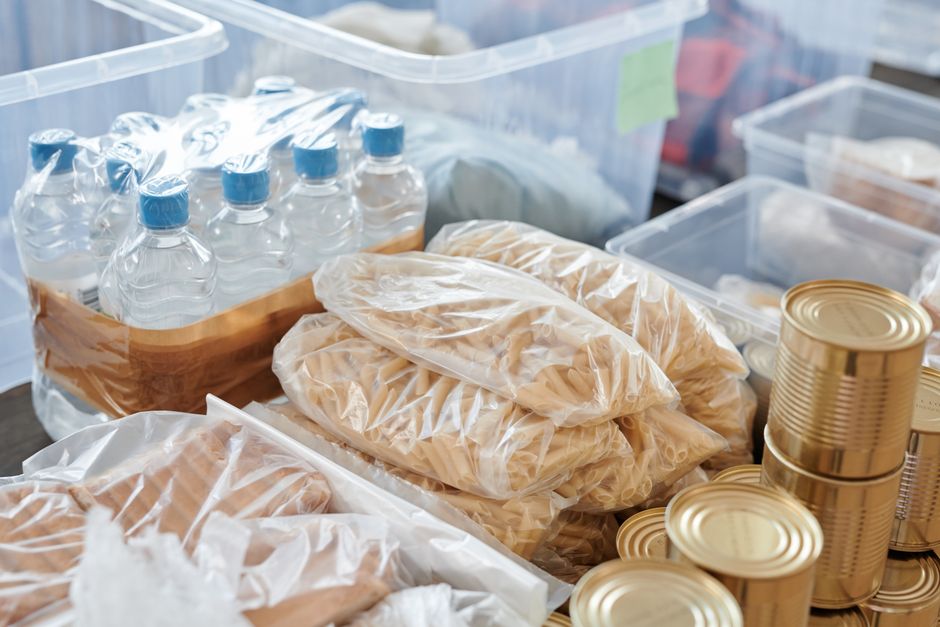
The bottled water to avoid is water tied to a current recall, a disclosed safety concern, or packaging and storage conditions that raise avoidable risks—not a brand named on an unsupported “worst” list. Available sources here do not establish that any of the ten named brands is unsafe. Check labels, quality information, and recall notices; keep plastic bottles away from prolonged heat.
Which bottled water brands should I avoid, and why?
Avoid a specific product when a credible recall or brand-specific test result identifies a concern; the sources available for this guide do not establish that Aquafina, Dasani, Arrowhead, LIFEWTR, Core Hydration, Crystal Geyser, Evian, Essentia, Pure Life, or Penta is unsafe. That distinction matters: a list ranking brands without presenting comparable test results cannot tell you which bottle poses a demonstrated risk.
The CDC says bottled water can come from public tap-water systems or underground sources, and that bottled water must meet safe drinking-water standards. FDA requirements cover source protection, testing before and after bottling, and safety during processing, bottling, holding, and transport. Contamination can still occur at several points, including after purchase, so the product name alone does not reveal the full safety picture.
Use these seven warning signs to sort evidence from reputation and preference:
- A current recall notice. This is product-specific evidence. Check the notice for the affected product details rather than assuming every bottle under that brand is involved.
- A published test with a named contaminant and result. Look for what was tested, when, and which product or sample the result describes.
- No accessible quality information. CDC advises checking the label for a phone number or website where you can learn about water quality. Missing details limit what a shopper can verify; they do not alone prove contamination.
- Unclear source or treatment details. The label should help identify where water came from and how it was treated. “Natural,” “premium,” or similar promotional wording is not a substitute for those facts.
- Prolonged heat exposure in plastic. Consumer Reports warns that extended high heat can damage plastic and increase chemical migration into water.
- A worn, damaged single-use bottle being reused. Consumer Reports advises against reusing single-use bottles because wear and damage may increase particle shedding. This is packaging guidance, not proof that a brand’s sealed product is unsafe.
- A taste or marketing complaint presented as a safety finding. Preference and branding do not establish a contaminant or a health risk. Ask for test evidence before treating either as a warning.
For these brands, this is the available fact check: the supplied research does not include comparable brand-by-brand test results for Aquafina, Dasani, Arrowhead, LIFEWTR, Core Hydration, Crystal Geyser, Evian, Essentia, Pure Life, or Penta. Their inclusion in online rankings does not fill that evidence gap. A specific result should be read within its sample, date, and test scope.
Are Aquafina and Dasani unsafe, or are they simply purified municipal water?
The supplied sources do not show that Aquafina or Dasani is unsafe, nor do they provide brand-specific evidence establishing each product’s source and treatment. The CDC says bottled water may come from public tap-water systems or underground sources, so municipal origin by itself is not a safety verdict.
Read the label for the source and treatment method, then follow the listed contact or website for quality details. Purification describes treatment; it does not, on its own, tell you which contaminants were tested, when testing occurred, or what results were found. The same rule applies to claims about spring, mineral, or purified water: identify the water type, then seek the supporting quality information.
How can I tell whether a bottled water brand has credible contaminant test results?
Credible results identify what was tested and provide enough context to interpret the finding. A brand name paired with a broad claim is not equivalent to a dated test result for a named product or sample.
The CDC recommends checking a bottle’s label for its source, treatment method, and a phone number or web address with water-quality information. Use that contact to look for the scope and date of testing. If a published report does not clarify which product or sample it covers, what contaminant it measures, or when the test took place, its result cannot support a sweeping ranking of the brand.
Two kinds of evidence are easy to confuse. The FDA’s reported bottled-water sampling in 2023–2024 and older independent PFAS tests are separate evidence sets, not one continuous brand ranking. The research supplied for this article contains no details about the FDA sampling’s results, sample counts, tested brands, or dates within that period, and no details about the older independent tests. It therefore cannot support numerical comparisons or conclusions about which brands tested positive. A result from an earlier independent test also cannot be treated as a current finding without matching its sample, date, and scope to the claim being made.
For a practical check, look in this order: identify the water type and source on the package; find the treatment description; use the quality contact to locate test information; check whether the result names the contaminant and sample; then check whether a recall notice applies to the exact product. The CDC’s bottled-water safety guidance explains what label details to seek. This process separates a verifiable warning from a preference, vague claim, or recycled list.
Should I avoid sparkling water because of PFAS?
The sources supplied here do not establish that sparkling water as a category should be avoided because of PFAS. They also do not provide brand-specific PFAS results for the ten named waters, or enough detail about the older independent tests or FDA sampling to compare sparkling and still products.
Do not turn a test of one sample into a claim about every sparkling water. Check whether a cited result identifies the product, contaminant, and test date. When those details are absent, the evidence does not support a category-wide warning. The same standard applies to still water and to every brand ranking: a test result has a scope, and the conclusion should stay within it.
How should I assess water type, packaging, storage, and recalls?
Start with the label, then consider how the bottle was handled. The CDC recommends looking for the source, treatment method, and quality contact. Those details help distinguish water type from marketing language and give you a route to more specific information.
Packaging and storage are separate from source and treatment. Consumer Reports describes PET packaging as a potential source of antimony, bisphenols, phthalates, and microplastics migrating into beverages. Its experts advise against leaving plastic bottles in vehicles because extended high heat can damage plastic and increase chemical migration. It also advises against reusing single-use bottles when wear or damage can increase particle shedding. These are packaging and handling cautions, not proof that any listed brand’s sealed water is unsafe.
Glass is a packaging option, not a guarantee. The research supplied here does not establish that glass makes water safer overall or compare glass and plastic across brands. CDC notes that contamination can happen at the source, during treatment or manufacturing, in shipping or storage, or after purchase. Packaging choice addresses only part of that chain.
Check for recall notices when you have a specific product in hand, and follow instructions that match its product details. A warning about one lot should not be expanded to every bottle from the brand without evidence. When test and recall information is unavailable, say so plainly: public data in the supplied sources does not settle that product-specific question.
Frequently Asked Questions
Is bottled water left in a hot car safe to drink?
The supplied sources do not establish a temperature or time threshold that determines whether a particular bottle is safe. Consumer Reports advises against leaving plastic water bottles in vehicles because extended high heat can damage plastic and increase chemical migration; avoid drinking from a bottle exposed to prolonged heat.
What should I do if a bottled water brand is recalled?
Follow the recall notice’s instructions for the affected product, including its lot or date details, and stop using a bottle that matches them. The supplied sources do not provide a recall-specific procedure, so use the notice or the relevant public-health authority’s directions rather than guessing from the brand name alone.
Does glass packaging make bottled water safer than plastic?
The supplied sources do not establish that glass makes water safer overall or compare glass and plastic bottles across brands. Consumer Reports discusses potential chemical migration from PET packaging, while CDC notes that contamination can also occur during source handling, processing, shipping, storage, or after purchase.
Sources
You may also like
What Is the bottled water recall 2026?
The bottled water recall 2026 covers six Valley Springs products distributed in Illinois and Wisconsin.
Is There a Bottled Water Shortage Across the U.S.?
A bottled water shortage report does not prove a nationwide problem; check local advisories and retailers to distinguish safety issues from stockouts.
What Should an Elderly Person Eat When They Are Not Hungry?
Small, easy high-protein meals and snacks for older adults with low appetite, plus food-safety and clinical warning signs.
What Finger-Food Suppers Work for a Parent With Dementia?
Finger-food supper ideas for dementia caregivers, with soft mini-plates, food-safety timing, hydration, and a seven-day mix-and-match plan.