
What Should an Elderly Person Eat When They Are Not Hungry?
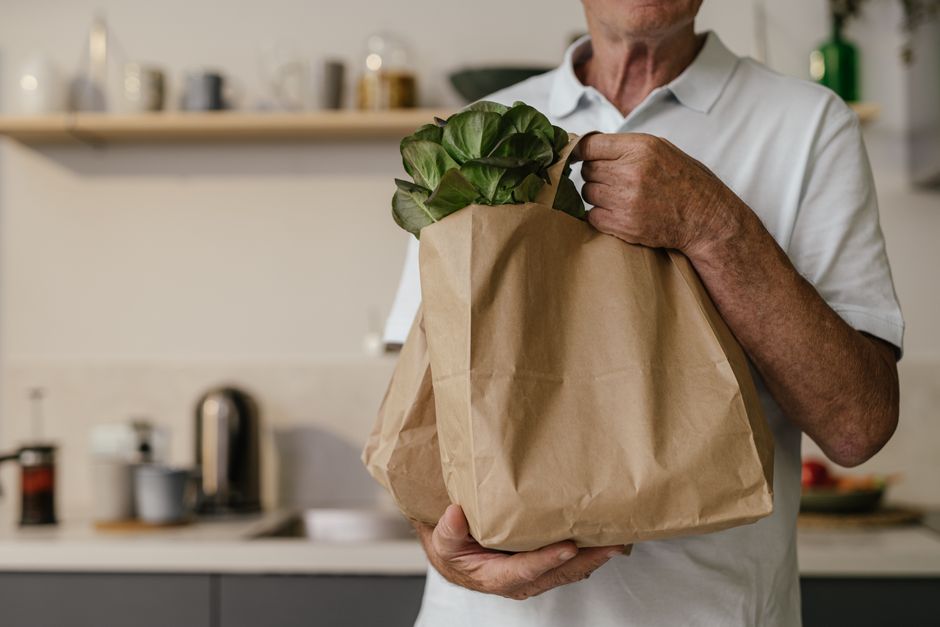
An older adult with little appetite should eat small meals and nourishing snacks often, choosing compact protein foods such as eggs, yogurt, cheese, beans, peanut butter, and protein drinks. Add protein and calories to familiar foods instead of serving a large plate. Persistent weight loss, coughing or choking with meals, or repeated swallowing trouble needs clinical advice.
What should an elderly person eat when they are not hungry?
Eat smaller meals more often, with food that earns its space on the plate. The National Institute on Aging gives the plain rule: if someone gets full quickly, frequent smaller meals through the day are the better fit.
Start with familiar food. A bowl of cereal becomes a meal with fortified milk. Toast carries peanut butter. A small baked potato holds grated cheese. Soup becomes more useful with milk, cheese, lentils, or beans stirred in.
The aim is not a heroic dinner. It is a steady pattern: three small meals and two to three nourishing snacks, the schedule recommended by The Hillingdon Hospitals NHS Foundation Trust for a small appetite. Small portions lower the visual burden. Food that gets eaten beats food that looks balanced and stays untouched.
Nuts, cheese, dried fruit, avocado, and peanut butter are nutrient-dense snack choices named by the National Institute on Aging. Keep the portion small. Pair one of them with a protein food when practical.
How can I add protein to a small meal without making it too filling?
Add protein by fortifying ordinary food, not by making the serving larger. The Hillingdon Hospitals NHS Foundation Trust describes fortification as adding calories and protein without increasing portion size. This is the useful distinction: volume is one problem; nourishment is another.
Its examples place practical protein boosters in the 5 to 15 gram range. They work because they fit food a person already knows.
| Small meal or snack | Protein booster | Simple use |
|---|---|---|
| Toast, crackers, or apple slices | Peanut butter | Spread a thin layer rather than adding another course. |
| Soup, sauce, cereal, or hot drink | Fortified milk | Use it in place of plain milk. |
| Egg on toast or a small potato | 40 g grated cheese | Scatter it over the food while it is warm. |
| Small bowl or snack | 125 g pot of yogurt | Serve chilled and ready to eat. |
| Toast, soup, or a small microwave meal | 150 g can of baked beans or lentils | Heat only the amount wanted. |
The same NHS guidance gives a specific fortified-milk recipe: four tablespoons of skimmed milk powder mixed into one pint of full-fat milk. Use that milk in cereal, sauces, hot drinks, soups, and shakes. It changes the food, not the size of the cup or bowl.
Liquid protein also has a place. MedlinePlus says liquid protein drinks can help when intake is low. A systematic review of 22 studies involving 857 healthy adults aged 60 or older found that protein supplementation raised protein intake by an average of 18.21 grams per day without a significant difference in total daily energy intake at trial end. A drink is not a substitute for every meal. It is a compact option when chewing, cooking, or appetite makes solid food hard to finish.
What are easy high-protein dinners for one senior?
Easy high-protein dinners for one senior are small, familiar meals built around one protein booster and one no-fuss base. A microwave meal with grated cheese, baked beans on toast, an egg with cheese on a small potato, lentil soup made with fortified milk, or yogurt beside a small meal all keep preparation short.
Use the lowest-effort route available that day. The Hillingdon guidance includes ready-made oven or microwave meals for low-energy days and advises freezing extra portions after cooking. A freezer portion is not a compromise. It is a meal with the work already done.
Serve food in a small bowl or on a small plate. Reheat one portion. Put the rest away before the meal begins. That pattern protects appetite and reduces waste.
For older adults whose usual protein intake is low, the PROMISS trial found that personalized advice aimed at at least 1.2 grams of protein per kilogram of adjusted body weight per day increased intake by about 25.5 grams per day after six months. The trial also reported faster 400-meter walk time and greater leg-extension strength in the advice group. A personal target belongs with a clinician or dietitian when illness, weight loss, kidney disease, or medicines shape the food plan.
Low appetite has causes beyond food. MedlinePlus lists sadness, depression, grief, chronic illness, and medicines among factors linked with decreased appetite in older adults. The National Institute on Aging also names trouble buying food and pain with chewing or swallowing. A better recipe cannot solve a cause that sits outside the kitchen.
Get medical advice after unintentional loss of more than 10 pounds, as MedlinePlus advises. Coughing or choking during or after meals, slow chewing, food coming back up, chest discomfort, and unexplained weight loss are swallowing-warning signs listed by MedlinePlus. While waiting for advice, its guidance calls for bites smaller than one teaspoon, thorough chewing, and sitting upright for 30 to 45 minutes after eating.
Frequently Asked Questions
Which soft high-protein foods are good for older adults?
Soft choices include yogurt, eggs, grated cheese, baked beans, lentils, peanut butter, and soups or shakes made with fortified milk. Swallowing trouble changes what is safe to eat, so recurring symptoms need assessment by a health care provider.
How do I keep single-serving meals from going to waste?
Cook once and freeze extra portions in single-meal containers. On low-energy days, ready-made microwave or oven meals reduce preparation and waste; use fortified milk in cereal, soup, sauces, hot drinks, and shakes.
Sources
- National Institute on Aging: Maintaining a Healthy Weight
- MedlinePlus Medical Encyclopedia: Loss of appetite
- MedlinePlus Medical Encyclopedia: Swallowing problems
- The Hillingdon Hospitals NHS Foundation Trust: Eating Well With a Small Appetite
- American Journal of Clinical Nutrition: Protein supplementation in healthy older adults
- PROMISS Randomized Controlled Trial