
What Finger-Food Suppers Work for a Parent With Dementia?
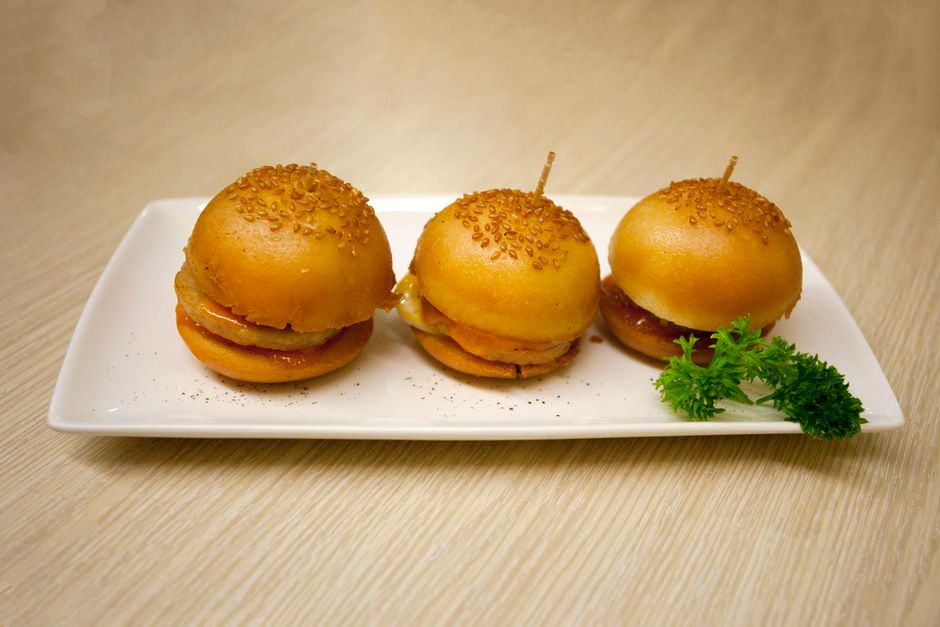
Build small, cold-or-ready-to-eat supper plates from soft protein, produce, and an easy carbohydrate: cheese and fruit, a tuna or avocado sandwich, chicken pieces with sweet potato, or yogurt with banana. Offer one or two foods at a time, keep drinks close, and refrigerate perishables within two hours. Small plates reduce the burden of a full meal without reducing its purpose.
What can I leave out for supper for a parent with dementia?
Leave out a mini-plate with one protein, one fruit or vegetable, and one easy carbohydrate, then offer another small plate later if it is wanted.
The National Institute on Aging recommends several smaller meals across the day and meals served at the same time each day. It also names cheese, small sandwiches, small pieces of chicken, fresh fruit, and vegetables as finger foods for people with late-stage Alzheimer's.
A supper does not need to arrive as a full plate. It needs a clear shape. Protein anchors it. Produce adds color and moisture. Bread, pita, sweet potato, or another soft carbohydrate gives the plate weight without making it hard to manage.
Alzheimer's Association guidance supports this pattern: vegetables, fruit, whole grains, low-fat dairy, and lean protein form a balanced diet. Its finger-food examples include chicken nuggets, fish sticks, tuna sandwiches, orange segments, and steamed broccoli or cauliflower pieces.
| Mini-plate | Protein | Produce or moisture | Easy carbohydrate |
|---|---|---|---|
| Plate 1 | Cheese | Fresh fruit | Small pita sandwich |
| Plate 2 | Small chicken pieces | Mashed avocado | Sweet potato |
| Plate 3 | Tuna sandwich | Orange segments | Whole-grain bread |
| Plate 4 | Yogurt | Banana | Soft fruit or bread |
| Plate 5 | Hummus | Steamed vegetables | Pita |
| Plate 6 | Fish sticks | Steamed cauliflower | Sweet potato |
| Plate 7 | Scrambled eggs | Applesauce | Soft bread |
This is a mix-and-match week, not a seven-day rule. Repeat the plates that get eaten. A meal accepted twice is more useful than a clever meal refused once.
When intake is low or weight loss is a concern, the NIA suggests high-calorie, healthy foods or drinks such as protein milkshakes and adding healthy fats such as olive oil and avocado. Tell a clinician about substantial weight loss, such as 10 pounds in one month.
What finger foods are easy for an elderly person to eat while watching TV?
Easy TV-time foods are soft, bite-size, familiar foods that can be picked up without cutting, peeling, or chasing them around a plate.
Set out one or two choices, not a crowded spread. The Alzheimer's Association recommends a simple table setting and contrast between the plate and table surface to reduce confusion. A dark plate on a light table, or the reverse, makes each piece easier to see.
Good choices from the source guidance include small sandwiches, chicken nuggets, fish sticks, tuna sandwiches, orange segments, cheese, and steamed broccoli or cauliflower pieces. Keep a small cup of water nearby. The Association also recommends small cups of liquids through the day and high-water foods such as fruit, soups, milkshakes, and smoothies.
Texture changes the whole plan. The NIA lists yogurt, applesauce, mashed avocado, sweet potatoes, and bananas as soft options. The Alzheimer's Association also names cottage cheese and scrambled eggs, while advising against hard-to-chew foods such as raw carrots when swallowing is a concern.
Serve food while the person is sitting upright, then keep them upright for at least 20 minutes afterward, as the NIA advises. The plate can be small. The posture is not a small detail.
What can I serve when someone will not use the microwave?
Serve food that is safe and pleasant cold, or prepare a small hot portion and hold it at a safe temperature until supper.
Cold supper is not second-best. A chicken-tomato-avocado sandwich on whole-grain bread, fruit with yogurt, vegetables with hummus, or cheese with fruit all fit the meal ideas in the National Institute on Aging's healthy meal-planning guidance. Pre-cut fruit and vegetables also reduce the work of putting the plate together.
Food safety sets the clock. FoodSafety.gov says perishable food should not sit out for more than two hours. When the temperature is above 90 F (32 C), the limit is one hour. Refrigerators should stay at 40 F (4 C) or below, and hot food that remains out should stay at 140 F (60 C) or above.
Put out one small plate. Keep the rest chilled. Return leftovers promptly in shallow containers for rapid cooling. Food left on the table is not a reserve meal after the time limit passes.
Caregiving often includes other overnight routines. For homes planning around medical equipment as well as food, see What Size Battery Do I Need to Run a CPAP Overnight?.
The goal is not a perfect supper. It is a calm plate, safe food, and enough chances to eat.
Frequently Asked Questions
How can I make small meals look appealing for someone with a poor appetite?
Serve one or two foods at a time on a plate that contrasts with the table surface. Keep the portions small and use familiar foods, such as fruit with yogurt or a small sandwich, rather than filling the plate. The National Institute on Aging recommends several smaller meals and serving meals at the same time each day.
Which finger foods provide more nutrition than crackers and snacks?
Choose foods that bring protein, produce, or healthy fats: cheese, small chicken pieces, tuna sandwiches, hummus with soft vegetables, yogurt, mashed avocado, and banana. The National Institute on Aging lists seafood, dairy, fortified soy products, beans, peas, and lentils as protein options through the day. Pairing one of these with fruit, vegetables, or soft starches turns a snack into supper.