
What Are the Best Make-Ahead Diabetes-Friendly Meals?
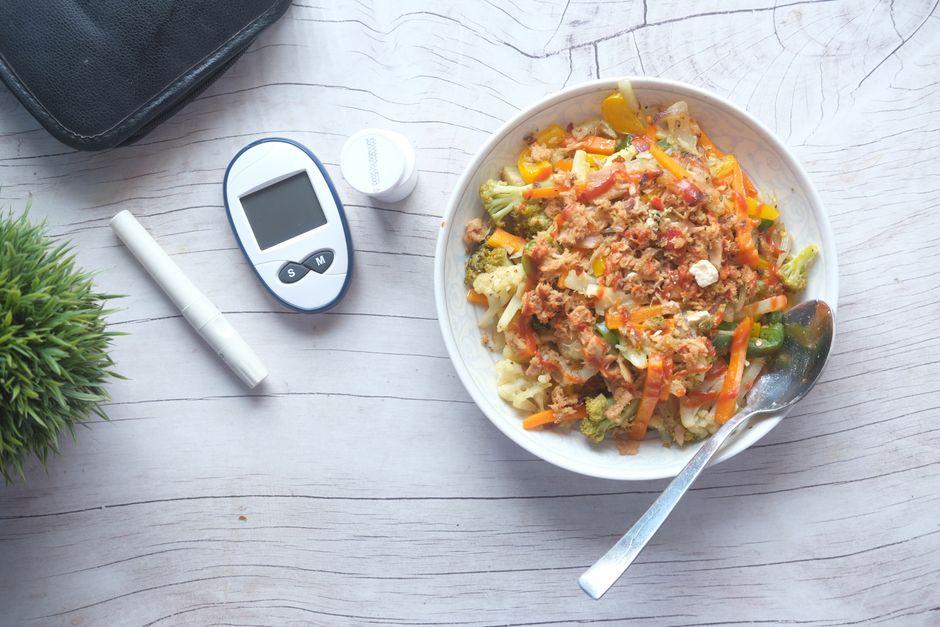
Build make-ahead diabetes-friendly lunches and dinners around the Diabetes Plate: half non-starchy vegetables, one-quarter protein, and one-quarter quality carbohydrate foods on a 9-inch plate. Prep meals such as bean chili, white-bean ratatouille, egg muffins, and tuna-and-vegetable lunches in portions that match your carbohydrate goal, then refrigerate or freeze them safely for reliable reheating.
What can I meal prep for lunch if I have diabetes?
Meal-prep lunch works best when each container has a visible job: vegetables take half the space, protein takes one quarter, and carbohydrate foods take one quarter.
The American Diabetes Association calls the Diabetes Plate its easiest way to create meals that support blood-glucose management. It removes a common meal-prep trap: cooking one large pan of a carbohydrate food, then letting it become the whole lunch.
Start with vegetables. Add a protein. Add one planned carbohydrate food. That is the container.
| Prep option | Plate role | Make-ahead use |
|---|---|---|
| Chili with lean ground beef and beans | Beans provide protein and carbohydrate; add non-starchy vegetables alongside | Portion for lunch or dinner |
| Slow-cooker ratatouille with white beans | Vegetables fill the non-starchy portion; beans provide protein and carbohydrate | Prepare ahead for vegetarian meals |
| Egg muffins with non-starchy vegetables | Protein plus vegetables | Store in the refrigerator or freezer for a quick meal |
| Tuna with raw vegetables | Protein plus a vegetable base | Use a planned carbohydrate food if needed for the meal |
The ADA Diabetes Food Hub identifies chili with lean ground beef and beans, white-bean ratatouille, and egg muffins as meal-prep-friendly choices. Beans deserve special attention. They belong in the protein conversation and the carbohydrate conversation. One food can do two jobs.
For no-cook days, keep the assembly rule. The ADA lists hummus with carrots or celery, fruit with cheese or nuts, and nut butter with apple or celery as building blocks that combine protein, healthy fats, and fiber. These are small meals or meal parts, not a test of willpower.
Use canned beans, tuna, frozen vegetables, and planned leftovers as the low-waste base. The budget gain comes from repeating a framework, not from eating the same dish every day.
Which make-ahead meals will not spike blood sugar?
No make-ahead meal can promise that result for every person; the dependable approach is to limit the carbohydrate portion, spread carbohydrates across meals, and pair them with protein, fiber, or healthy fat.
Carbohydrate-rich foods have the greatest effect on blood glucose compared with foods high in protein and fat, according to the American Diabetes Association Diabetes Food Hub. A large amount of carbohydrate at one meal can raise blood glucose even when the source is high quality.
Quality still matters. Beans, lentils, fruit, milk, yogurt, whole grains, and vegetables can provide fiber, protein, vitamins, or minerals. The point is not to label them forbidden. The point is to give them a place on the plate.
A useful prep pattern is one batch meal plus one vegetable side. Portion chili with a large serving of non-starchy vegetables. Pack ratatouille with white beans in a container where the vegetables still dominate. Reheat egg muffins and add vegetables plus the carbohydrate food that fits the meal plan.
The National Institute of Diabetes and Digestive and Kidney Diseases describes the same plate method: half non-starchy vegetables, one-quarter carbohydrate foods, and one-quarter protein foods. It also notes that beans, some fruits, potatoes, and corn contain more carbohydrate and need to be counted in meal planning.
Meal timing belongs in the plan. The ADA advises leaving two to three hours between meals so blood glucose can lower before the next meal. NIDDK adds a needed exception: meal and snack timing must be individualized when insulin or certain other diabetes medicines can cause low blood glucose if meals are skipped or delayed. A container does not replace a personal medication plan.
How do I portion carbohydrates for diabetes-friendly dinners?
Portion carbohydrates by reserving one quarter of a 9-inch dinner plate for them, then adjust that portion through carbohydrate counting when your treatment plan calls for it.
Carbohydrate counting tracks grams of carbohydrate at a meal and, when applicable, matches them to an insulin dose. The ADA describes the plate method as a way to build balanced meals without weighing or measuring. These methods are not rivals. The plate sets the visual structure; carbohydrate counting gives a more exact number when a health professional has set a goal.
Pack dinners in shallow, single-meal containers. Put vegetables on one side, protein on another, and the carbohydrate food in its own clear section. The separation makes a reheated meal easier to read. It also makes swaps plain: beans one night, a whole grain another, fruit or dairy when that fits the plan.
Do not guess that a freezer container is safe because it looks cold. FoodSafety.gov sets refrigerator storage at 40°F or below and freezer storage at 0°F or below. Egg, chicken, ham, tuna, and macaroni salads keep for three to four days in the refrigerator and do not freeze well. Vegetable- or meat-containing soups and stews keep for three to four days refrigerated and two to three months frozen.
Store leftovers within two hours of cooking in covered, shallow containers. FoodSafety.gov advises reheating leftovers to 165°F, measured with a food thermometer. Cover and rotate microwave meals, check more than one spot for cold areas, and allow resting time before checking the temperature.
Freezing preserves a plan. Portioning preserves the plate.
Frequently Asked Questions
Can I freeze diabetes-friendly meals for busy weeknights?
Yes. FoodSafety.gov lists soups and stews with vegetables or meat at 2 to 3 months in the freezer, while cooked meat or poultry leftovers keep for 2 to 6 months for best quality. Freeze meals in portions, and reheat leftovers to 165°F; soups, stews, casseroles, and one-pot meals can be reheated from frozen, though they take longer.
What are quick no-cook lunch options for diabetes?
Build a no-cook lunch from protein, healthy fats, and fiber. The American Diabetes Association suggests combinations such as hummus with carrots or celery, fruit with cheese or nuts, and nut butter with apple or celery. A tuna-and-vegetable plate can use the same pattern, with a planned carbohydrate portion if it is part of your meal.
Sources
- American Diabetes Association: Meal Planning
- National Institute of Diabetes and Digestive and Kidney Diseases: Healthy Living with Diabetes
- American Diabetes Association Diabetes Food Hub: All About Carbs
- American Diabetes Association Diabetes Food Hub: Create Your Plate
- FoodSafety.gov: Cold Food Storage Charts
- FoodSafety.gov: Leftovers Safe Keeping