
Is There a Bottled Water Shortage Across the U.S.?
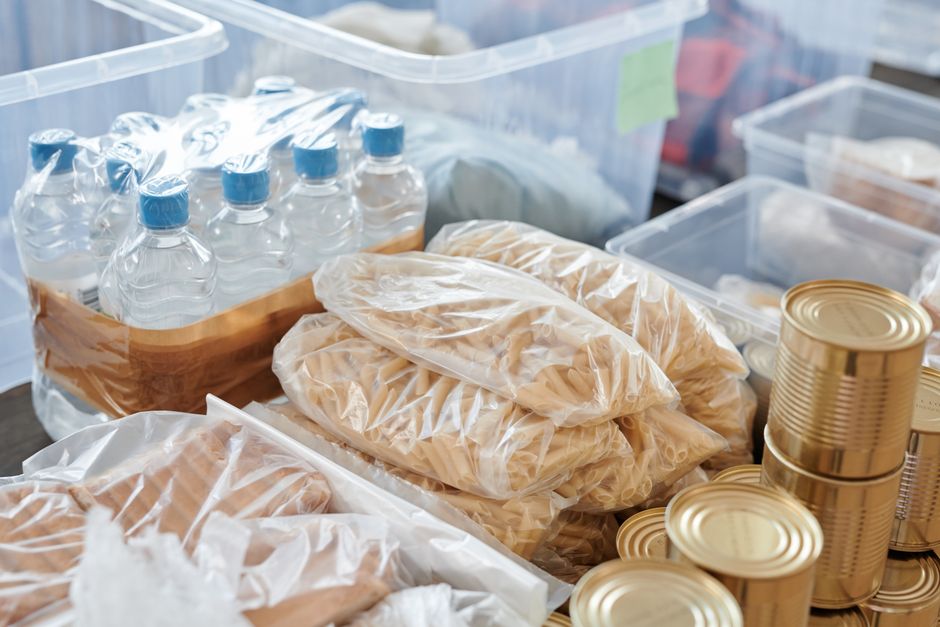
Reports of a bottled water shortage do not by themselves show a nationwide supply problem. A store can run out because of a local delivery delay, a rush of purchases, or a brand-specific production issue, while tap water remains safe. Check local utility and government notices first, then compare stock at nearby retailers and look for regional reporting before deciding what to do.
Is bottled water in short supply across the United States right now?
The available reports do not establish a nationwide shortage of bottled water. A shortage of a single brand or product is not the same as a shortage across the country, and empty shelves at one store do not tell you whether water service in your community is safe.
For example, CNN reported that Coca-Cola said its glass-bottled Topo Chico Mineral Water was temporarily unavailable in the United States after upgrades at its water source and production facilities in Mexico. A distributor letter reviewed by CNN described slowed production tied to problems with source wells near Monterrey. That is a specific supply disruption, not evidence that all bottled water is running out.
Category sales data offer context, not a shortage verdict. Beverage Industry reported that U.S. multi-outlet bottled-water sales reached $30.1 billion for the 52 weeks ending April 19, 2026, up 2.6% year over year, while unit sales fell 0.5%. Those figures describe a large, active market; they do not show whether a particular store has stock today.
Separate the questions. A retailer stockout concerns products on shelves. A drinking-water emergency concerns whether a utility can treat or distribute safe water. The EPA defines emergency drinking-water supply as alternate water provided when a community utility can no longer treat or distribute drinking water. Local notices, rather than a national headline, are the evidence to use for the second question.
Why are bottled water shelves empty at my local store?
Local shelves can empty because demand or deliveries shift faster than a store can replenish its stock. A rush of purchases can make a temporary gap look like a lasting shortage, while a missed delivery or a problem affecting one product can leave other bottled-water brands available.
Packaging and production matter too. The Topo Chico report shows how an issue at a source or production facility can affect one line of water without indicating a failure in local tap-water service. Retail availability and water safety are related only when local officials say they are.
Use this short check before changing your plans:
- Check your water utility and local-government notices for an advisory or service update.
- Check retailer updates and call or check more than one nearby store to see whether the gap is limited to one location or brand.
- Look for regional reporting that identifies a delivery, production, or emergency-water issue, and note which area and products it covers.
- Match your next step to the cause: a retail gap calls for another safe source of drinking water; an advisory calls for following official water-safety directions.
This order avoids treating a bare shelf as proof of unsafe tap water. It also prevents a product-specific disruption from being mistaken for a community-wide emergency.
Could a bottled water shortage be caused by delivery or packaging problems rather than a lack of water?
Yes. Bottled-water availability depends on the source, production, packaging, and delivery chain, so store shelves can be short even when local tap water is safe. The Topo Chico disruption is one example of an upstream source and production issue affecting a particular product.
An actual drinking-water emergency is different. EPA guidance lists contamination, mechanical or power failures at treatment systems, and distribution-system problems as possible causes of a local emergency. Alternative supplies can include bottled or packaged water, bulk-hauled water, connections to neighboring water systems, or treatment of available source water.
Tap water is safe to use when local authorities have not issued an advisory that changes how it should be used. If a boil-water advisory is in effect, CDC says to boil water at a rolling boil for 1 minute, or 3 minutes above 6,500 feet. A do-not-drink advisory calls for bottled water for drinking and cooking; a do-not-use advisory means bottled water should be used for all purposes. Do not use water or ice from appliances connected to the water line during an advisory.
Boiling has limits. EPA says it can kill disease-causing bacteria, viruses, and protozoa, but it does not remove heavy metals, salts, or most chemicals. Follow the notice from local officials when contamination is possible; boiling is not a universal fix. The CDC overview of drinking-water advisories explains what each type of notice means.
Build a modest emergency supply
A short-term store stockout is easier to manage when water is already stored. CDC recommends at least 1 gallon per person per day for 3 days and says to try to store a 2-week supply if possible. That is a planning target, not a reason to buy everything at once.
Needs vary. CDC advises planning for more water for pregnant people, people who are sick, pets, and people in hot climates. Ready.gov notes that water needs can double in very hot temperatures. Its guidance also says not to ration drinking water unless authorities direct you to do so.
Unopened commercially bottled water is CDC's safest and most reliable emergency source. Keep it sealed in its original container in a cool, dark place. For water stored in filled household containers, CDC advises replacing it every 6 months and keeping the containers cool, out of direct sunlight, and away from toxic substances. See the CDC emergency water supply guidance for storage details.
Frequently Asked Questions
How can I check whether a local water shortage is real or temporary?
Check your water utility and local-government notices for a drinking-water advisory, then look for retailer updates and regional reporting. If only one store or brand is affected and officials report no water-safety issue, the evidence points to a retail stockout rather than a community water emergency.
What should I do if bottled water is sold out near me?
First check whether local officials have issued a water advisory. If tap water is safe, use it; during a boil-water advisory, follow the stated boiling directions, but do not rely on boiling if chemical contamination is possible. If authorities issue a do-not-drink or do-not-use advisory, follow their directions and seek the alternate water supply they identify.
Should I stock up on bottled water, and how much is reasonable?
CDC recommends storing at least 1 gallon per person per day for 3 days and says to aim for 2 weeks if possible. Plan for more for people who are sick, pregnant, or in hot climates, and for pets; build supplies over time rather than clearing store shelves.
Sources
- Centers for Disease Control and Prevention — Drinking Water Advisories: An Overview
- Centers for Disease Control and Prevention — How to Create an Emergency Water Supply
- U.S. Environmental Protection Agency — State Emergency Drinking Water Supply Guidance
- U.S. Environmental Protection Agency — Emergency Disinfection of Drinking Water
- Ready.gov — Water
- CNN Business — America is running out of Topo Chico mineral water
- Beverage Industry — 2026 State of the Beverage Industry: Bottled water category goes beyond hydration
You may also like
What Should an Elderly Person Eat When They Are Not Hungry?
Small, easy high-protein meals and snacks for older adults with low appetite, plus food-safety and clinical warning signs.
What Finger-Food Suppers Work for a Parent With Dementia?
Finger-food supper ideas for dementia caregivers, with soft mini-plates, food-safety timing, hydration, and a seven-day mix-and-match plan.
How much does a whole home battery backup cost?
Installed battery backup costs depend on capacity, equipment, labor, and upgrades; NREL’s 2021 benchmark was $15,852–$16,715.
What Are the Best Make-Ahead Diabetes-Friendly Meals?
Build make-ahead diabetes-friendly lunches and dinners with smart portions, fiber, protein, safe storage, and reliable reheating.