
How Can I Slow Facial Aging Without Miracle Claims?
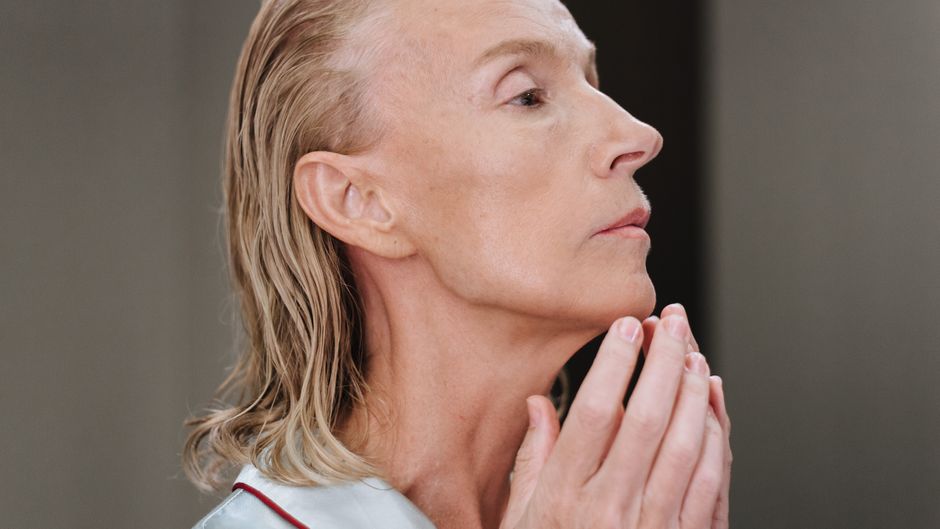
The most reliable way to slow visible facial aging is not a miracle cream or a complicated routine. Use broad-spectrum, water-resistant SPF 30 or higher every day, limit UV exposure with shade and clothing, avoid smoking, moderate alcohol, sleep at least seven hours, and keep skincare simple enough to repeat. Consistency beats product churn.
What is the most effective way to slow facial aging?
The most effective move is daily photoprotection: broad-spectrum, water-resistant SPF 30 or higher on uncovered skin, backed by shade and protective clothing. The American Academy of Dermatology says plainly that the sun plays a major role in premature skin aging. That is the priority. Everything else sits below it.
Start with the useful distinction. Intrinsic aging is largely shaped by genetics and is associated with fine wrinkles, volume loss, and reduced elasticity. Photoaging is the visible damage from light exposure: deep wrinkles, uneven pigmentation, age spots, and dullness. A peer-reviewed review reports that approximately 80% of facial skin aging can be attributed to ultraviolet exposure. This is not a reason to panic about every sunny walk. It is a reason to stop treating protection as a beach-only product.
Use the “protect, then polish” rule. Protect first with sunscreen. Then decide whether cleansers, moisturizers, or other products solve a specific comfort or appearance concern. A cabinet full of products cannot compensate for a skipped daily baseline.
| Situation | Practical protection move |
|---|---|
| Daily uncovered facial skin | Apply broad-spectrum, water-resistant SPF 30 or higher. |
| Outdoor exposure | Reapply about every 2 hours and after swimming or sweating. |
| Full exposed body coverage | Use about 1 ounce of sunscreen. |
| Face application | Use at least 1 teaspoon, about the length of the index and middle fingers. |
| Concerned about visible-light-related hyperpigmentation | Consider tinted SPF 30-plus sunscreen containing iron oxide. |
Those application details come from the American Academy of Dermatology’s sunscreen guidance. The cost-saving lesson is simple: buy a sunscreen you can apply generously and replace when needed, rather than rationing an expensive formula.
Is sunscreen still worth using if I mostly stay indoors?
Yes, sunscreen is still worth using if you spend time near windows or go outside during the day, because UVA rays can pass through window glass. The AAD calls UVA “aging rays” because they can cause premature wrinkles and age spots; UVB, by contrast, is primarily responsible for sunburn and is blocked by window glass.
Do not make cloud cover your exemption slip. The AAD says up to 80% of the sun’s harmful UV rays can penetrate clouds. The practical replacement for vague intentions is a fixed trigger: apply facial sunscreen as part of the morning routine when your face will be exposed to daylight.
This is not merely a cosmetic preference. A review of photoaging research describes UVA as more deeply penetrating than UVB and identifies UV-related reactive oxygen species and matrix metalloproteinases as contributors to collagen degradation. In a randomized Australian trial summarized in that review, 903 adults assigned to strict daily sunscreen use had a 24% reduction in measured skin aging after four years compared with discretionary users. Daily use is the lever. Occasional use is the loophole.
Can I prevent collagen loss and sagging in my face?
You cannot fully prevent collagen loss and sagging, because intrinsic aging includes changes in elasticity and volume, but you can reduce preventable UV-related collagen damage. The smart goal is not to promise a frozen face. It is to remove the major avoidable pressure on skin structure.
Here is the operating plan. First, make sun protection non-negotiable. Second, remove the direct accelerators: the AAD says smoking greatly speeds skin aging and is associated with wrinkles and a dull, sallow complexion; it also advises reducing alcohol because it dehydrates and can damage skin over time. Third, support the routine with basics that are easy to audit rather than beauty folklore.
- Sleep: Aim for 7 or more hours per night, the threshold in CDC guidance. “I will protect my sleep window” is more actionable than buying another late-night treatment.
- Tobacco: Make quitting the next concrete move if you smoke. The CDC states that quitting has health benefits at any age, and the AAD specifically connects cigarette smoking with premature facial wrinkling.
- Food and movement: Build meals around fruits and vegetables, lean protein, whole grains, and low- or no-fat dairy while limiting added sugars, as the CDC recommends. It also recommends at least 2.5 hours of physical activity each week. For a practical meal-prep angle, see these make-ahead diabetes-friendly meal ideas.
- Alcohol: If you drink, use the CDC’s moderation limits as a clear ceiling: 2 drinks or fewer per day for men and 1 or fewer per day for women.
Professional treatments may be appropriate for concerns that a prevention routine cannot reverse, but the provided sources do not compare procedures, costs, or individual suitability. Start with the daily work before paying for the dramatic fix.
Frequently Asked Questions
Do facial exercises or gua sha make a difference to aging skin?
The provided sources do not establish facial exercises or gua sha as methods to prevent photoaging, collagen loss, or sagging. Put your effort where the evidence is: daily UV protection and the lifestyle habits covered here. If a tool makes your routine pleasant enough to maintain, treat it as optional rather than the foundation.
Which lifestyle habits age the face fastest?
The American Academy of Dermatology identifies smoking as a major accelerator of skin aging and links it with wrinkles and a dull, sallow complexion. It also advises reducing alcohol because it dehydrates and can damage skin over time, and notes that diets high in sugar or refined carbohydrates may accelerate aging. UV exposure remains the central preventable factor.
At what age should I start an anti-aging skincare routine?
Start preventive habits when you can perform them consistently; the sources do not name one universal starting age. A useful baseline is daily broad-spectrum SPF 30 or higher on uncovered skin, plus shade and protective clothing. Add complexity only after that baseline is automatic.
Your homework is small: put sunscreen where your morning routine already happens, then run the routine for one week without changing products. At the end of the week, ask one question: “What made the protective step easy to skip?” Fix that friction before buying anything else.
Sources
- American Academy of Dermatology: How to Reduce Premature Skin Aging
- American Academy of Dermatology: Sunscreen Facts
- Photoaging: Update on Pathogenesis, Prevention, and Treatment
- Centers for Disease Control and Prevention: Taking Care of Yourself
- Centers for Disease Control and Prevention: Benefits of Quitting Smoking