
How Do You Apply Eyeshadow on Hooded, Textured Mature Eyelids?
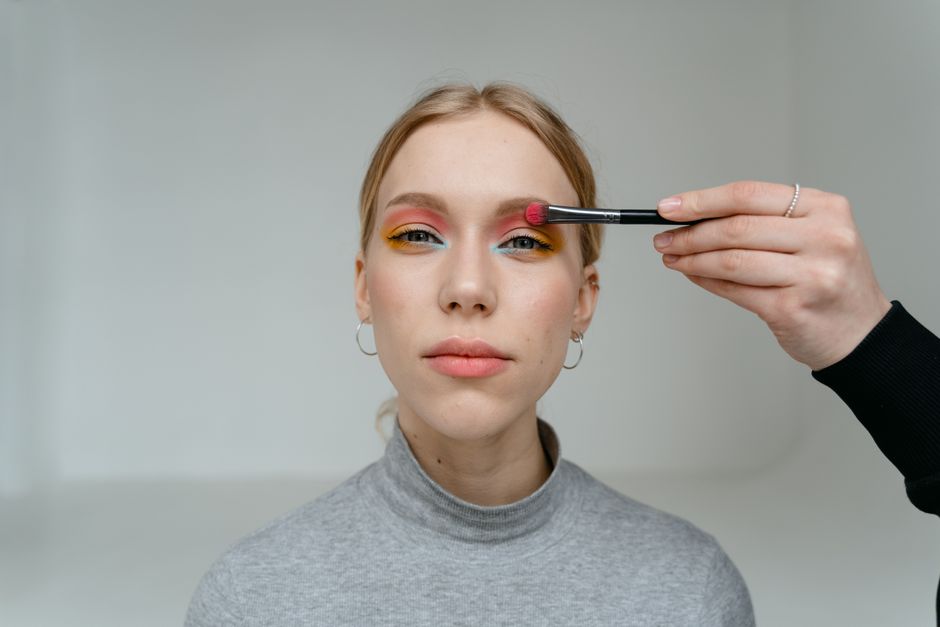
Choose thin, buildable satin or matte-leaning shadows, prep with a minimal layer of primer, and map the crease with your eyes open. Put the medium contour slightly above the natural fold, keep deeper color on the outer half, and set cream products lightly so they do not transfer into the hood or collect in texture.
What eyeshadow formula is best for older, crepey eyelids?
The best starting formula is a thin, buildable powder or cream shadow with a matte-to-satin finish, chosen for how your lids behave rather than for the label on the package. Texture needs less product, not more. A dense metallic layer can spotlight every fold; a thin layer of smooth color gives you control.
The reason is practical. A 2024 review in the International Journal of Women's Dermatology describes periorbital skin as the thinnest and most dynamic skin on the body, with very little subcutaneous fat. Dryness and visible texture are therefore not a technique failure. They are conditions your application has to work around.
| What your lid does | Best operational choice | What to avoid |
|---|---|---|
| Feels dry or shadow will not blend | Use a thin, emollient cream or satin formula, then soften edges with a clean brush. | Repeatedly packing on dry powder to force a blend. |
| Feels warm, moist, or loses color during the day | Use a small amount of primer and set cream shadow with a light powder layer. | Thick cream layers that can transfer into the fold. |
| Shows pronounced texture | Keep the main lid color matte or satin and build only where needed. | Loose glitter or chunky sparkle across the entire lid. |
This is the finish-first rule: solve movement and texture before chasing intensity. AARP distinguishes warm or moist lids, where makeup can smear or disappear, from cool or dry lids, where shadow may resist blending. One universal formula is the weak plan. Match the base and finish to the lid in front of you.
Use shimmer strategically, not automatically. A soft sheen can work when kept thin and placed where you want light, but the American Academy of Ophthalmology warns that metallic, glitter, and sparkle powders can shed into the tear film; larger particles can scratch the eye. Keep product outside the lash line, and take extra care if you wear contact lenses or have dry, reactive eyes.
Why does my eyeshadow crease even when I use primer?
Eyeshadow creases despite primer when the base layer is too thick, the product remains unset, or the moving lid keeps pressing product into the fold. Primer is not a force field. It is a thin preparation layer, and too much of it creates another layer that can gather.
Use AARP's specific sequence: apply the tiniest amount from lash line to crease, then let it set for one minute before adding color. That minute is not idle time. It separates a prepared lid from a slippery stack of primer, cream shadow, and powder.
- Prep lightly. Apply the smallest amount of primer from lash line to crease. Do not extend it into every area around the eye by default.
- Choose one anchor. If you use cream shadow, apply a sheer layer rather than repeatedly swiping over the same spot.
- Set the movement zone. For hooded lids, lightly set the crease area after eye makeup. Oprah Daily reports that transparent loose powder can extend wear and reduce creasing, and that powder is especially useful for setting cream shadow.
- Stop before texture appears. If a second layer makes the lid look heavier, blend the existing layer instead of adding a third.
Think in thin films. Your goal is not maximum coverage. Your goal is a surface that stays put when the mobile lid meets the hood.
If creasing arrives with stinging, itching, redness, or a new flaky patch, change the priority from wear time to irritation control. EyeWiki identifies allergic contact dermatitis as the most common cause of periocular dermatitis in the cited evidence and lists ingredients in eye makeup such as resins, solvents, volatile oils, preservatives, and pigments as possible allergens. Suspend suspected periocular cosmetics and skin products, then reintroduce products gradually after the trigger is identified. Introduce only one new eye or eye-care product at a time when you are prone to reactions.
How should I apply eyeshadow to hooded eyes after 50?
Apply eyeshadow with your eyes open, put the contour above the fold you can see, and keep the deepest color on the outer half rather than burying it inside the natural crease. This placement makes the shape visible at rest. A contour placed only in a hidden fold can disappear the moment you look forward.
Use the open-eye map. The placement matters more than an elaborate palette.
- Look straight ahead. Apply makeup while your eyes are open and relaxed. Oprah Daily's hooded-eye guidance makes the point plainly: work done with the eye closed can vanish when the hood returns to its resting position.
- Lay down the lid shade. Use a shade matching or slightly lighter than your skin tone over the mobile lid. Keep it thin and even.
- Build the visible contour. With a medium shade slightly darker than skin tone, sketch just above the natural crease on the skin that remains visible with your eye open. For downturned or hooded shapes, place most of that emphasis on the outer half.
- Anchor the lash line. Add the deepest shade close to the outer upper lash line, then diffuse its edge upward and outward. This gives the eye structure without turning the whole lid dark.
- Check from the recipient's view. Open both eyes, look straight ahead, and assess the result at normal conversation distance. If the contour is hidden, lift it slightly. If it reads as a hard stripe, blend its upper edge.
AARP recommends the same three-value structure: light on the lid, medium at the crease, dark at the lash line. The useful adjustment for a hood is location. Put the medium value above the crease rather than inside it, then blend. That is the difference between applying shadow to a closed eyelid and designing it for the face people actually see.
Keep liner and shadow outside the inner lash line. A review in Clinical Optometry reports greater tear-film contamination and ocular discomfort when eyeliner is applied at the inner eyelash line rather than on outer periocular skin. The American Academy of Ophthalmology gives the same practical instruction: apply makeup outside the lash line to avoid blocking eyelid oil glands.
Finish with a short maintenance drill: use one new product at a time, replace creamy or liquid eye makeup every three months as the Academy advises, and take one open-eye photo before buying another palette. Ask one question: can the placement still be seen when your face is relaxed? If not, adjust the map, not the amount of product.
Frequently Asked Questions
Should mature women avoid shimmer eyeshadow?
No. Mature wearers do not need to ban shimmer, but a smooth satin or soft sheen is usually easier to control on textured lids than loose glitter or chunky sparkle. The American Academy of Ophthalmology warns that metallic, glitter, and sparkle powders can shed into the tear film and irritate the eye, so keep those formulas away from the lash line and use them cautiously, especially with contact lenses or sensitive eyes.
What eyeshadow colors make mature eyes look brighter?
The supplied guidance supports using a lid shade that matches or is slightly lighter than your skin tone, then adding a shade slightly deeper than skin tone above the crease. That light-to-medium contrast creates clearer structure without requiring a dramatic color choice. Public data in the supplied sources does not provide eye-color-specific shade recommendations.