
What Can Genetic Testing Reveal After an Autism Diagnosis?
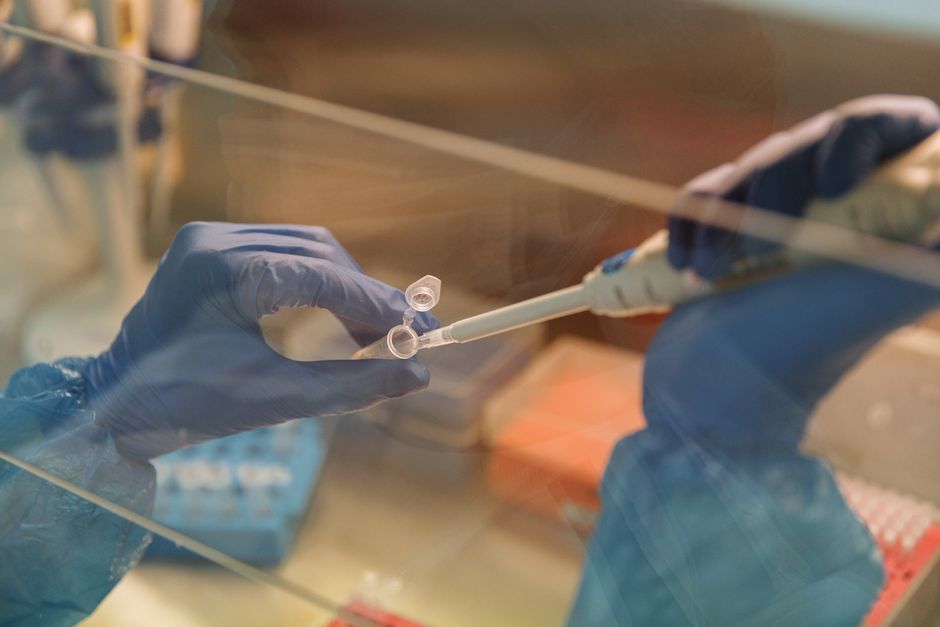
Genetic testing after an autism diagnosis can sometimes identify a DNA change linked to a known condition, guide related medical screening, and clarify family-planning conversations. It cannot diagnose autism itself, predict every outcome, or rule out a genetic contribution when results are negative or uncertain. The useful move is to match the test to the child’s features and review every result with a genetics professional.
Should my child with autism have genetic testing?
Often, yes: genetic testing is worth discussing after an autism diagnosis because a result can provide information that the behavioral diagnosis alone cannot. The practical question is not, “Will this explain everything?” It is, “Could this result change medical follow-up or give our family clearer information?”
The Centers for Disease Control and Prevention notes that a clinician may recommend chromosomal microarray testing for a child with autism spectrum disorder, with whole-exome sequencing considered when other testing has not identified a cause. This is a decision about information and next steps, not a test of whether autism is real or valid.
Potentially useful results have concrete stakes. In a Pediatrics study of 500 toddlers aged 18 to 36 months with autism, 299 completed genetic testing and 36 had pathogenic findings, a 12.0% yield among those tested. Medical recommendations followed for 72.2% of children with pathogenic findings, including seizure monitoring, specialist referrals, echocardiography, renal ultrasound, and hearing or eye evaluations.
Use this appointment script: “What question would this test answer for our child, and what would change if the result is positive, negative, or uncertain?” That keeps the conversation focused on decisions rather than on a vague search for certainty.
What genetic tests are recommended for autism?
Chromosomal microarray is commonly the starting test for autism, while Fragile X testing is first-tier when clinical features or family history suggest Fragile X syndrome. Exome sequencing or a comprehensive gene panel may follow when the clinical picture includes developmental delay or intellectual disability, or when earlier testing does not provide an answer.
The Canadian College of Medical Geneticists recommends chromosomal microarray as a first-tier diagnostic test for people with autism spectrum disorder. Its statement reports a chromosomal-microarray diagnostic yield of about 4% to 5% in nonsyndromic autism, rising as high as 25% when syndromic features are present. That gap matters: the child’s full clinical picture affects which test earns its cost and attention.
| Test | What it can help detect | Where it fits |
|---|---|---|
| Chromosomal microarray | Copy-number changes and regions of homozygosity | Common first-tier option for autism |
| Fragile X testing | Fragile X syndrome when the presentation points to it | First-tier when clinical features or family history suggest it |
| Gene panel | Selected single-gene causes | A more focused option or phenotype-limited report |
| Exome sequencing | Many single-gene causes not detected by microarray or Fragile X testing | Often considered after earlier testing or for developmental delay or intellectual disability |
Do not mistake a broader test for a complete test. The Canadian guidance explains that exome and panel testing can miss repeat expansions, some noncoding variants, methylation changes, mitochondrial DNA variants, and balanced chromosome rearrangements. Microarray has its own blind spot: it does not detect balanced rearrangements such as balanced translocations, insertions, or inversions.
When exome sequencing is on the table, ask whether a trio approach is feasible. Testing the child and both parents can improve interpretation of whether a variant is inherited or new. The Canadian statement puts the trade-off plainly: child-only testing has lower diagnostic yield and can create more downstream work to resolve variants.
Can a genetic test diagnose autism?
No. A genetic test cannot diagnose autism because there is no single genetic test that detects all genetic conditions, and autism is not established by one DNA finding. Autism diagnosis and genetic testing answer different questions; one identifies a developmental condition, while the other looks for genetic changes that may be relevant to a person’s health and family.
This distinction protects against two common errors. A positive genetic result does not replace an autism assessment, and a negative result does not erase the diagnosis. The CDC also cautions that large-scale exome or genome testing can uncover secondary findings unrelated to the reason testing was ordered, including variants associated with adult-onset conditions.
Ask ahead of time how secondary findings will be handled: “Will this test look for findings outside the reason we came in, and what choices do we have about receiving them?” That is not paperwork. It is part of deciding what information your family wants to manage.
What does a negative autism genetic test mean?
A negative autism genetic test means the laboratory did not find a known health-related change in the gene, chromosome, or protein that the test examined. It does not mean there is no genetic contribution, because every test has limits and can miss disease-causing alterations.
According to MedlinePlus Genetics, an uninformative result cannot confirm or rule out a specific diagnosis or determine whether someone has increased risk. Treat “negative” as a scope statement: this test did not find a known answer in this sample, using this method, at this time.
A different result category is a variant of uncertain significance. It is not a positive diagnosis waiting for someone to say so. It is a DNA change with insufficient or conflicting evidence about whether it causes disease. Family testing can sometimes help clarify a VUS, and evidence can change over time.
There is also a reanalysis path. A Genetics in Medicine consensus statement recommends periodic reanalysis every one to three years after a nondiagnostic exome result; the evidence it cites indicates reanalysis can increase diagnostic yield by 10% to 16%. Ask the lab or genetics team one clean question: “Do you offer reanalysis, and how will we know when it is time to request it?”
Here is the practical homework for this week: bring the report, or request a copy, and write down the exact test name, result category, and follow-up recommendation. Then ask a genetics professional to translate those three lines into the next decision for your child and family.
Frequently Asked Questions
What is a variant of uncertain significance in autism testing?
A variant of uncertain significance, or VUS, is a DNA change that has not been confirmed to cause disease because the available evidence is insufficient or conflicting. It cannot confirm or rule out a diagnosis or increased risk. Testing affected and unaffected relatives can sometimes add information that helps clarify it.
Can genetic testing help with treatment or family planning?
It can. In a Pediatrics study of toddlers with autism who had pathogenic findings, medical recommendations were made for 72.2%, including monitoring and referrals. Because DNA is shared within families, a finding can also inform discussions about relatives and family planning with a genetics professional.
Does genetic testing for autism test the parents too?
Not always. A child may be tested alone, but testing both parents alongside the child, often called trio testing, can improve diagnostic yield and make variant interpretation more efficient. Parental testing can also help determine whether a finding was inherited or new.
Sources
- Centers for Disease Control and Prevention: Genetic Testing
- MedlinePlus Genetics: What Do the Results of Genetic Tests Mean?
- Canadian College of Medical Geneticists Position Statement
- American Academy of Pediatrics: Pathogenic Genetic Variants in Toddlers With Autism
- Genetics in Medicine: Meta-analysis and Multidisciplinary Consensus Statement