
Do Honey and Turmeric Remove Dark Spots?
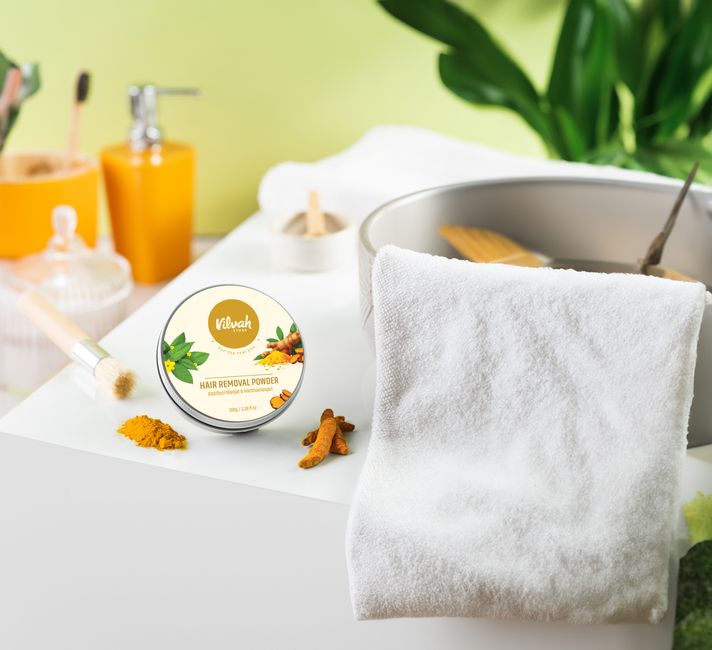
Do honey and turmeric remove dark spots? A homemade mask has no established clinical evidence showing that it fades facial pigmentation, and it can stain or irritate skin. Turmeric research on formulated products does not prove the same effect for a kitchen mixture. For a more reliable plan, protect skin from sunlight, identify the cause, and consider better-studied ingredients or dermatology advice.
Do honey and turmeric remove dark spots on the face?
No reliable clinical evidence in the available research shows that a homemade honey-and-turmeric mask removes facial dark spots. The key distinction is the product: research on a specific formulated turmeric extract cannot establish that raw turmeric powder mixed with honey will work the same way.
A systematic review by Vaughn, Branum, and Sivamani identified 18 human clinical studies of turmeric or curcumin for skin health. The studies covered several conditions, but they do not demonstrate that a homemade honey-and-turmeric mask fades dark spots; the authors described the evidence as limited and called for further research. A separate study examined a stable, almost colorless turmeric extract in a moisturizing cream, not a homemade mixture, and disclosed commercial funding by Procter & Gamble Beauty. Those differences matter: an ingredient, concentration, and delivery system tested in a product are not interchangeable with a kitchen recipe.
First, identify what may be causing the pigmentation. The American Academy of Dermatology (AAD) notes that dark spots can follow acne, skin injuries, irritating products, medications, or hormonal changes. Addressing the cause helps reduce the chance of new spots. A mask that irritates skin can work against that goal.
For practical prevention, prioritize sun protection rather than a DIY brightening claim. AAD recommends tinted, broad-spectrum, water-resistant sunscreen with SPF 30 or higher and iron oxide to protect against ultraviolet and visible light. This is relevant whether you use a mask or a better-studied active ingredient.
How long does turmeric take to remove dark spots?
There is no established timeline for turmeric to remove dark spots because a homemade honey-and-turmeric mask has not been shown to do so. A more useful timeline comes from what is known about dark spots generally: according to the AAD, a spot a few shades darker than your natural skin tone commonly takes 6 to 12 months to fade after its cause is stopped, while deeper pigment can take years.
That range is not a promise for every spot. The cause matters, and ongoing irritation or sunlight exposure can complicate fading. Treating the trigger and protecting the skin are practical first moves; adding a mask does not replace either one.
If pigmentation appears to be melasma, treatment may take months as well. AAD says melasma care commonly combines sun protection with topical medicines and sometimes an in-office procedure; results usually take 3 to 12 months, and longer-standing melasma may take more time. Persistent or unclear spots are a reason to ask a dermatologist about the cause and a suitable plan.
Can a honey and turmeric mask fade dark spots in seven days or overnight?
No evidence provided supports a claim that a honey-and-turmeric mask fades dark spots overnight or in seven days. A week is far shorter than the AAD's typical 6-to-12-month fading range for spots a few shades darker after the cause is stopped. A rapid promise should not replace a realistic plan.
If you still choose to try the mixture, use a cautious process. The steps below adapt the AAD's general product-testing advice; they do not establish that a homemade mask is effective or guarantee that it will not stain.
- Patch-test first. Apply a small amount to a small test area twice daily for 7 to 10 days. For a rinse-off product, leave it on the test spot for five minutes or as directed, following the AAD product-testing guidance.
- Check the skin before each use. If redness, itching, or swelling develops, gently wash the product off and do not use it again. Seek dermatology advice if a severe reaction does not improve.
- Keep the trial limited. Avoid treating daily use as a shortcut. The mask's effect on dark spots has not been established, and repeated irritation may undermine efforts to prevent pigmentation.
- Rinse gently and observe. Remove the mixture without scrubbing. Turmeric can leave visible color, and allergic reactions can include itching, rash, or pigmentation at application sites.
- Stop at the first sign of trouble. The AAD advises stopping a skin-care product that burns or stings, since irritation itself can contribute to dark spots.
Turmeric-related reactions are documented, though the figures from patch-test studies should not be treated as the risk for everyone. A review by Palaniappan and Karthikeyan reports positive turmeric patch tests in 11 of 300 patients with allergic contact dermatitis in one study; another reported 44 positives among 50 selected patients who already had dermatitis and used turmeric. That second group is not representative of the general population. The practical conclusion is simple: test cautiously, and stop if symptoms develop.
What options are better studied for common dark spots?
Better-studied options listed by the AAD include azelaic acid, glycolic acid, kojic acid, retinoids, and vitamin C. These are ingredients to discuss or consider in a skincare plan, not a guarantee of fast results. If a product burns or stings, stop using it rather than pushing through irritation.
For melasma specifically, AAD describes treatment plans that may include hydroquinone, tretinoin-based combinations, azelaic acid, kojic acid, or vitamin C, alongside broad-spectrum sunscreen of SPF 30 or higher. Tinted sunscreen with iron oxide can also help protect against visible light. A dermatologist can help distinguish melasma from other causes and decide whether prescription treatment or an in-office procedure is appropriate.
| Approach | What the evidence supports | Practical expectation |
|---|---|---|
| Homemade honey and turmeric | No established clinical evidence for fading facial dark spots | Do not count on a seven-day or overnight result; staining and irritation are possible |
| Sun protection | AAD recommends SPF 30 or higher; tinted iron-oxide sunscreen can protect against UV and visible light | Use as a foundation to help prevent spots from darkening and support a treatment plan |
| Established topical ingredients | AAD lists azelaic acid, glycolic acid, kojic acid, retinoids, and vitamin C | Choose based on the cause and tolerance; professional guidance can help |
| Melasma treatment plan | May combine sun protection, topical medications, and sometimes a procedure | Results usually take 3 to 12 months; longstanding melasma may take longer |
If you are comparing DIY ideas, this guide to how to remove dark spots on the face fast can help frame realistic options. The practical drill is to note when the spots began, any likely trigger, and which products sting; take that list to a dermatologist if the pigmentation persists or you are unsure what is causing it.
Frequently Asked Questions
What happens if I apply honey and turmeric on my face every day?
Daily use is not proven to fade dark spots, and repeated exposure may cause irritation or an allergic reaction. Irritation can itself contribute to dark spots, so stop and gently wash the mixture off if redness, itching, swelling, burning, or a rash develops.
How can I use a turmeric and honey mask without staining or irritating my skin?
There is no way to guarantee a homemade mask will not stain or irritate skin. Before wider use, test a small area twice daily for seven to 10 days, leaving a rinse-off product on the test spot for five minutes or as directed; wash it off and do not use it again if redness, itching, or swelling develops.
What treatments fade dark spots faster than a homemade mask?
Better-studied options include azelaic acid, glycolic acid, kojic acid, retinoids, and vitamin C, alongside daily sun protection. A dermatologist can help identify the cause and recommend treatment; melasma plans may include prescription medicines or procedures and typically take months to show results.
Sources
- American Academy of Dermatology: Fade dark spots
- American Academy of Dermatology: Test skin-care products
- Palaniappan and Karthikeyan: Turmeric and allergic contact dermatitis
- Vaughn, Branum, and Sivamani: Turmeric and curcumin for skin health
- Swanson et al.: Turmeric extract in a moisturizing cream
- American Academy of Dermatology: Melasma treatment
You may also like

Does Baking Soda Remove Dark Spots?
Baking soda is not proven to remove dark spots and irritation may worsen discoloration; use gentle care, sunscreen, and cause-specific treatments.
Does Baking Soda Remove Dark Spots?
Baking soda has not been shown to fade dark spots, and irritation may worsen discoloration; sunscreen and gentle, suitable treatments are safer.
How to Remove Dark Spots on Face Fast
Fade facial dark spots with daily tinted SPF 30+, gentle care, and one brightening active; expect months, not overnight results.

How Is AI Changing Drug Discovery and Clinical Trials?
A patient-centered guide to what AI can speed up in drug discovery and trials, and why human evidence, privacy, and oversight still matter.